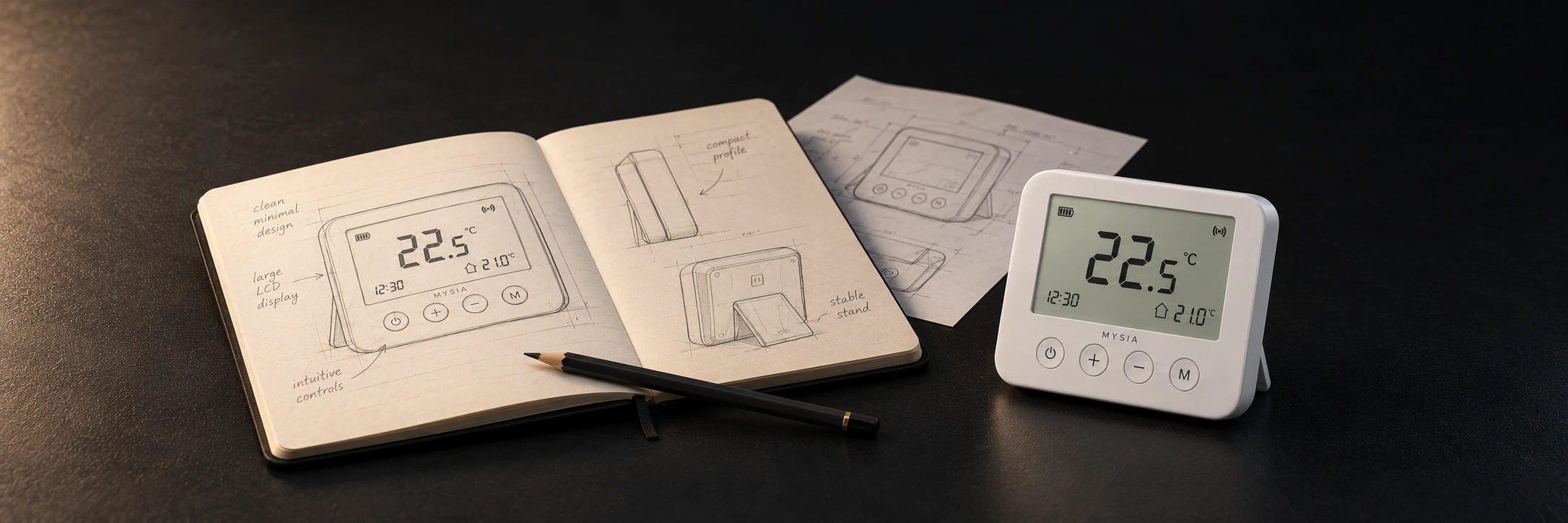
From Idea
to Product.
One engineering perspective. One shared goal. We turn an initial sketch into a working, manufacturable product.
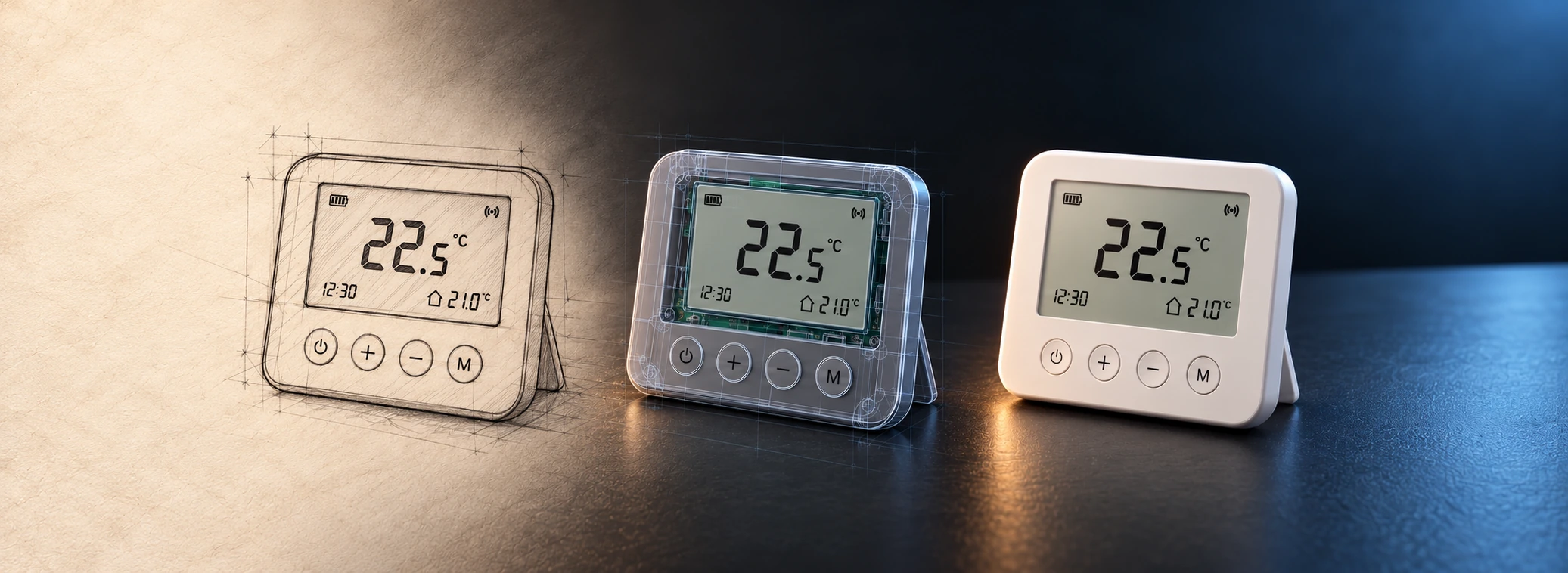
From a sketch on a blank page to a tangible product.
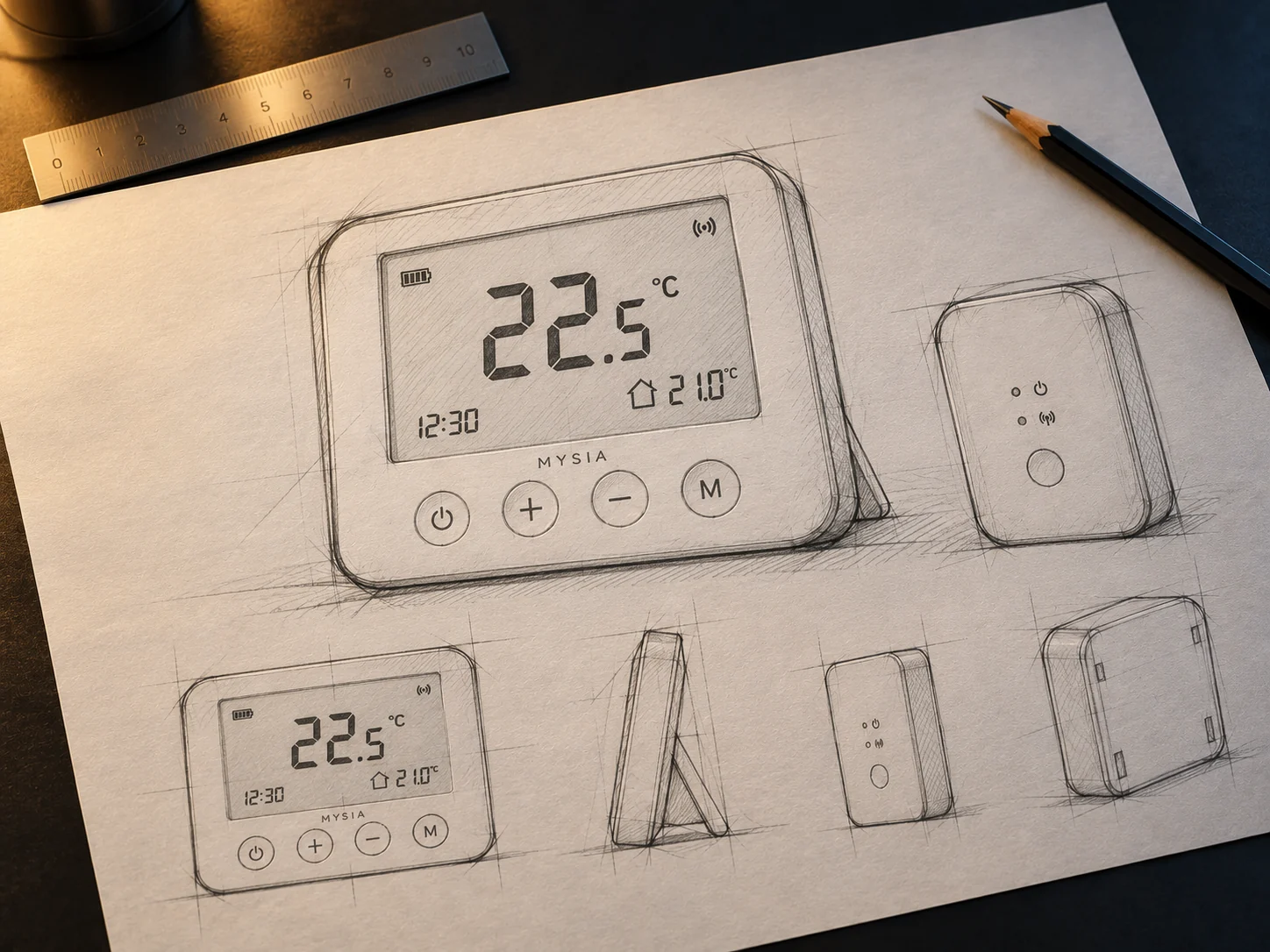 MYSIA / 1
A clear need. A shared roadmap.
Idea & Analysis
We start with the right questions, defining the need, operating conditions and technical boundaries together.
1.1Initial idea and sketches
We make the idea tangible through initial sketches and use cases, bringing the problem into focus.
1.2Needs analysis
Together, we define the expected functions, priorities and key measures of success.
1.3Field and usage analysis
We examine the operating environment and user interaction to establish the conditions that will guide the design.
1.4Technical feasibility
We assess technology options, technical constraints and feasibility.
1.5Requirements, project plan and kick-off
We document requirements and scope, then begin development with a project plan and kick-off meeting.
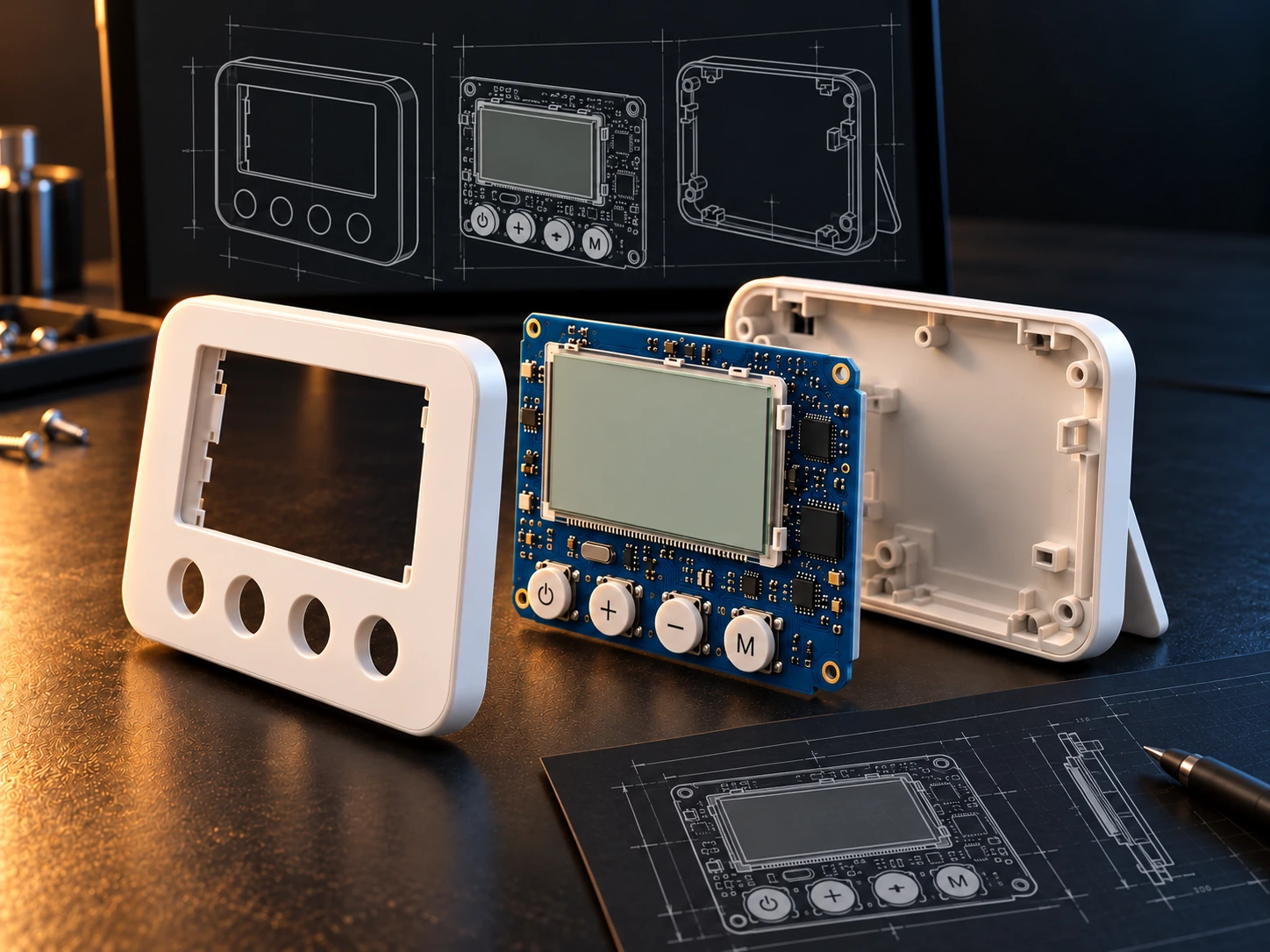 MYSIA / 2
Electronics, mechanics and interfaces working together.
Product Design
We bring functionality, electronics and mechanical design into a shared product architecture.
2.1System and electronic architecture
We define functional blocks, electronic components and their connections within one product architecture.
2.2Mechanical structure and enclosure design
We design the mechanical structure around protection, connections and assembly.
2.3Industrial design and ergonomics where required
Where the scope requires it, we consider form, ease of use and ergonomics alongside the product architecture.
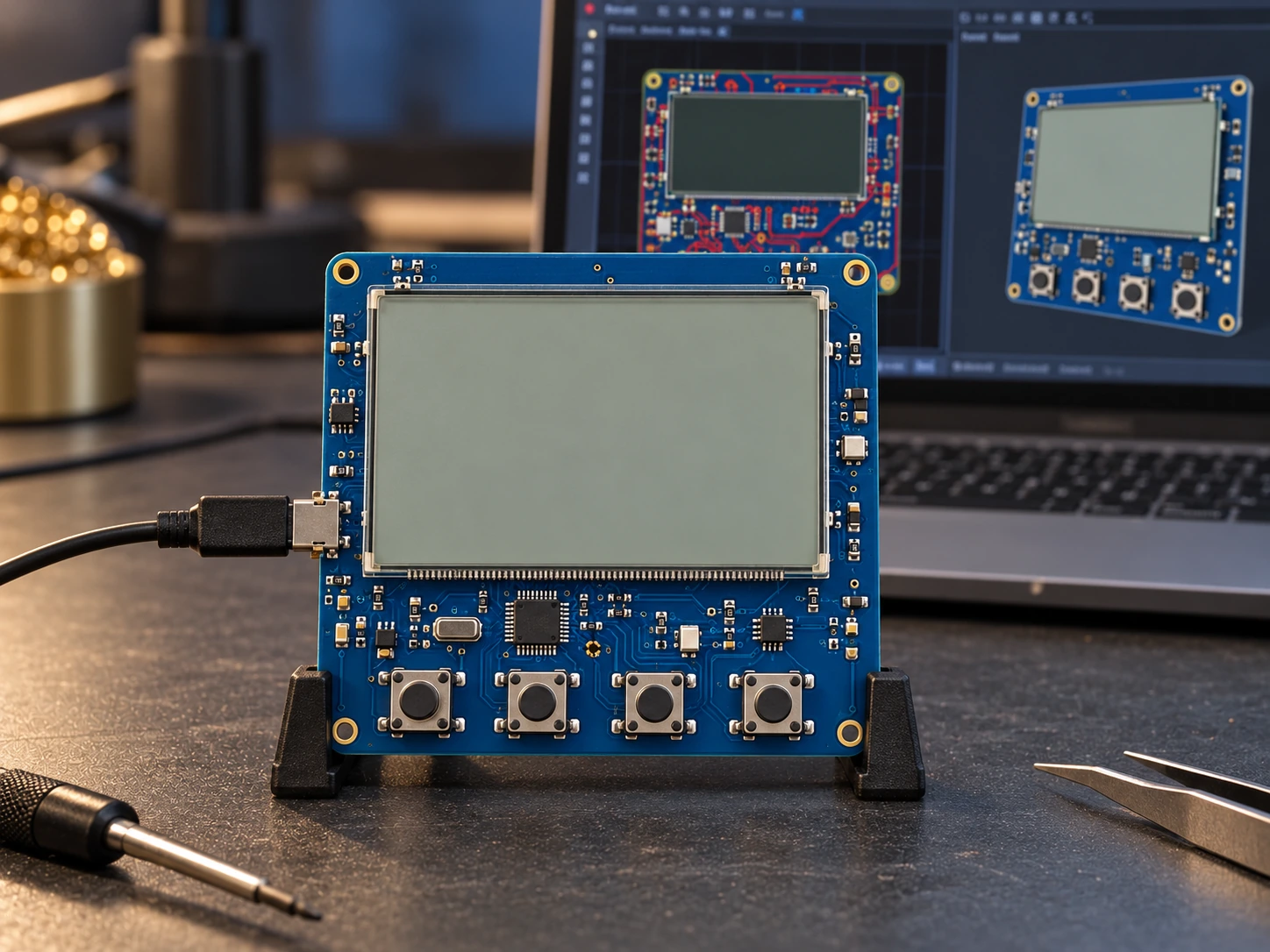
2.4Display and button interfaces
We shape displays, buttons and indicators around product functions and user scenarios.
 MYSIA / 3
Working hardware. Embedded software. Technical knowledge.
Engineering & Development
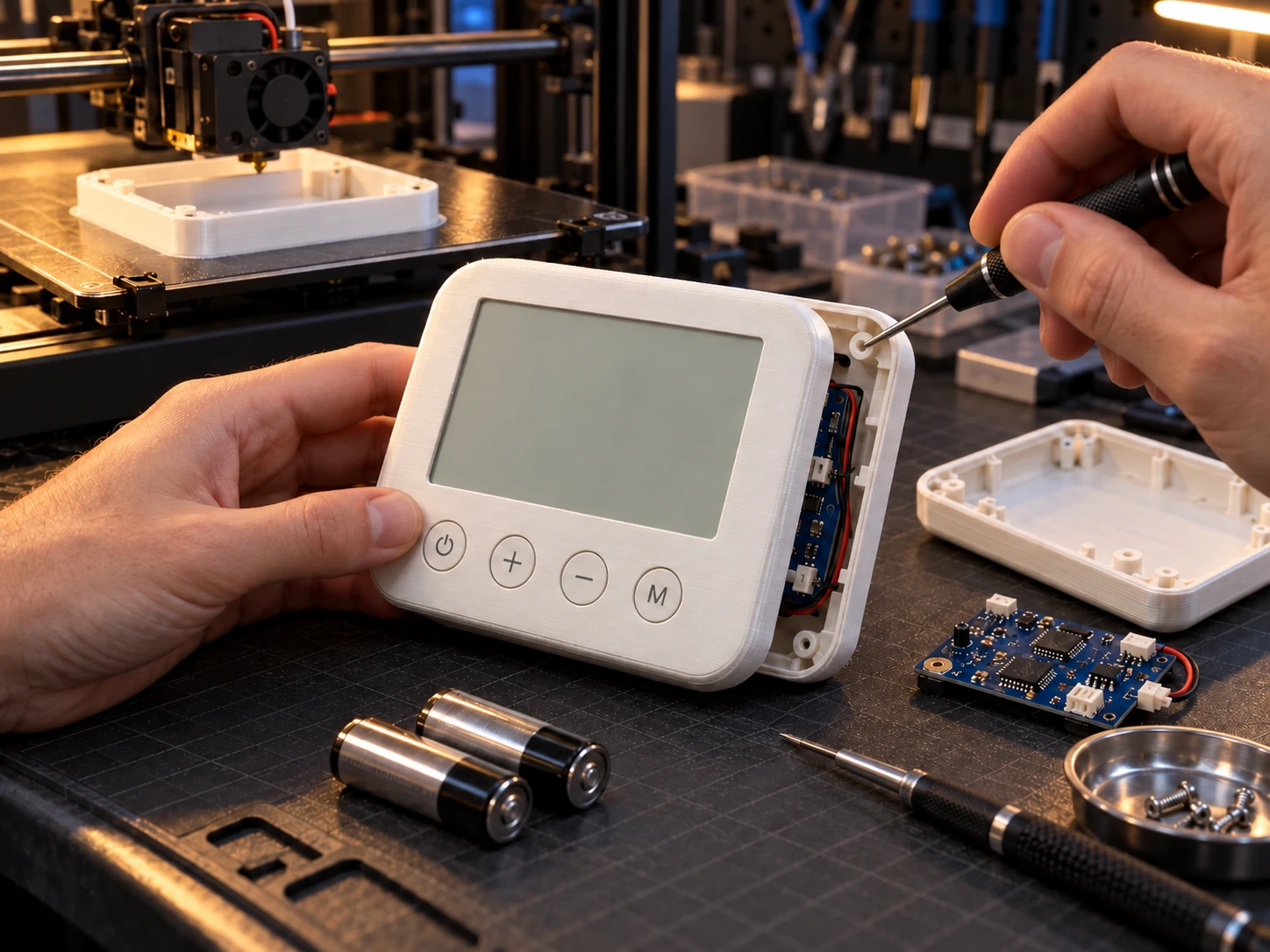
We turn the design into working hardware and embedded software, documenting the technical information for production.
3.1Circuit and PCB design
We translate the electronic architecture into circuit schematics and PCB layouts for manufacturing.
3.2Embedded software development
We implement product control, functionality and communication through software running on the microcontroller.
3.3Hardware-software integration
We bring the board and embedded software together and validate interactions between system components.
3.4Technical optimisation
We refine performance, component selection and design feasibility against the technical requirements.
3.5Schematics, BOM, Gerber/drill and Pick & Place
We prepare schematics, bills of materials and board fabrication and assembly files.
3.6Mechanical drawings, assembly and revisions
We organise mechanical drawings, assembly information and design changes into a coherent technical file.
3.7Specifications, test procedures and user guides where required
We define specifications and test procedures, preparing user guides when the scope requires them.
 MYSIA / 4
The first physical expression of the design.
Prototyping
We learn from physical prototypes, evaluating the complete system from circuit board to assembled device.
4.1PCB prototypes
We prepare the first physical boards and begin electronic bring-up.
4.2Board assembly
We assemble components onto prototype boards and perform initial electronic checks.
4.3Mechanical and enclosure prototypes — in-house or externally sourced
We prototype mechanical parts and enclosures in-house or through external suppliers, as needed.
4.4Complete device assembly
We bring boards, mechanical parts and connections together to evaluate the complete device.
4.5Initial function trials and improvements
We improve the prototype using findings from initial use and functional trials.
 MYSIA / 5
Measured, evaluated and documented.
Testing & Validation
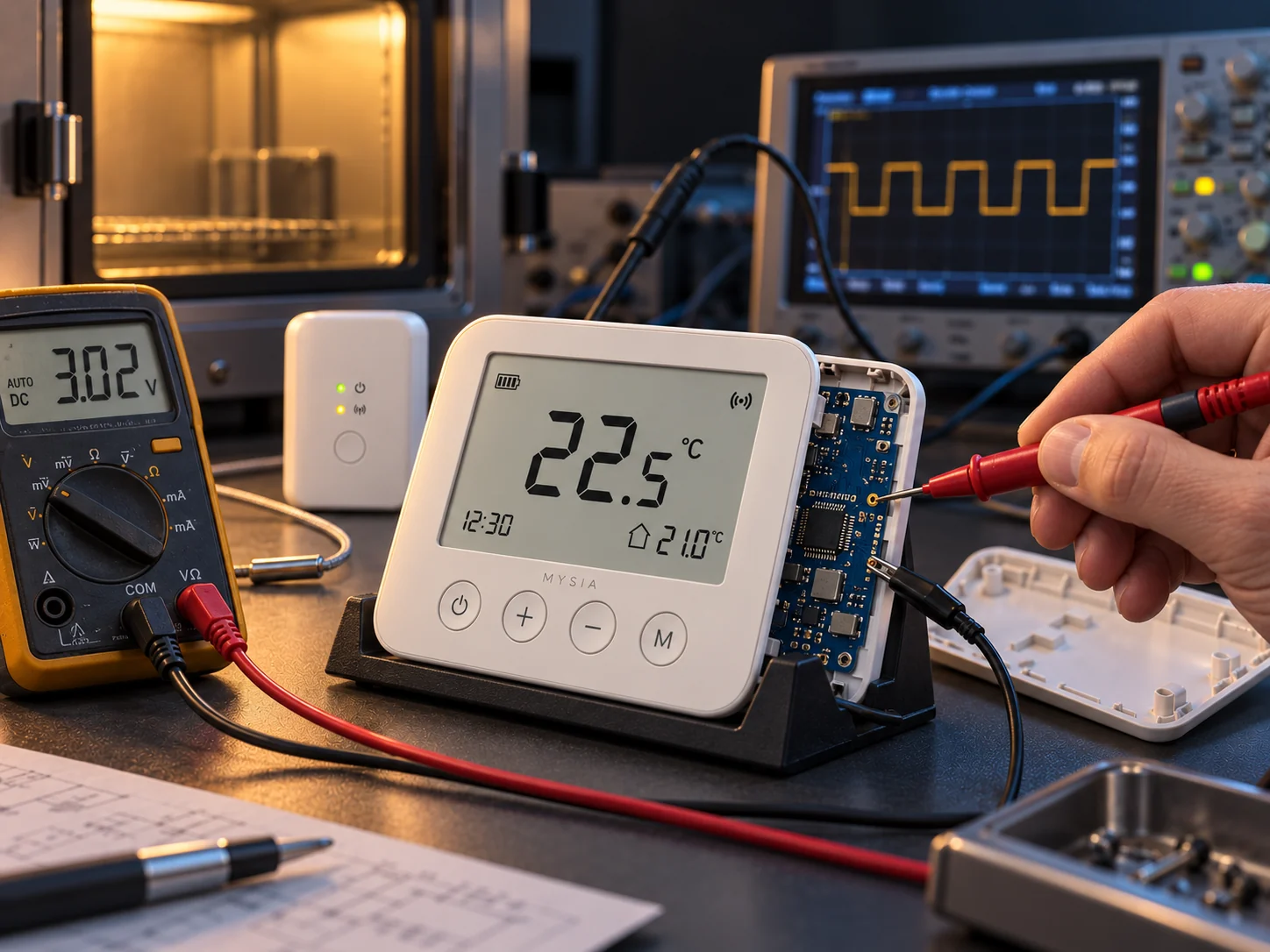
We measure, validate and revise the design when needed. EMC, electrical safety and environmental tests are coordinated with external laboratories where required.
5.1Functional tests
We check expected product functions against defined test scenarios.
5.2Performance measurements
We measure product behaviour and technical performance against requirements and evaluate the results.
5.3Hardware-software validation
We validate that electronic hardware and embedded software work together at system level.
5.4Design revisions
We feed test findings back into the design and apply changes through controlled revisions.
5.5External laboratory test coordination
Where required, we coordinate EMC, electrical safety and environmental testing with external laboratories.
5.6Test records
We document test conditions, findings and results for subsequent development and production stages.
 MYSIA / 6
A complete, working product ready for shipment.
Serial Production
From technical files to complete, shipment-ready products. Pilot production refines the process for repeatable manufacturing.
6.1Technical file transfer and version control
We organise production files and current revisions to transfer design knowledge into manufacturing.
6.2Production preparation and pilot builds
Pilot builds let us evaluate assembly and testing, refining the process for repeatable production.
6.3PCB assembly and programming
We incorporate board assembly and embedded software programming into the production flow.
6.4Wiring, enclosure and final assembly
We carry out wiring, enclosure assembly and final device assembly using the technical documentation.
6.5Final testing, quality control and packaging
We perform final device tests and quality checks, then prepare the packaging.
6.6Complete working products and shipment preparation
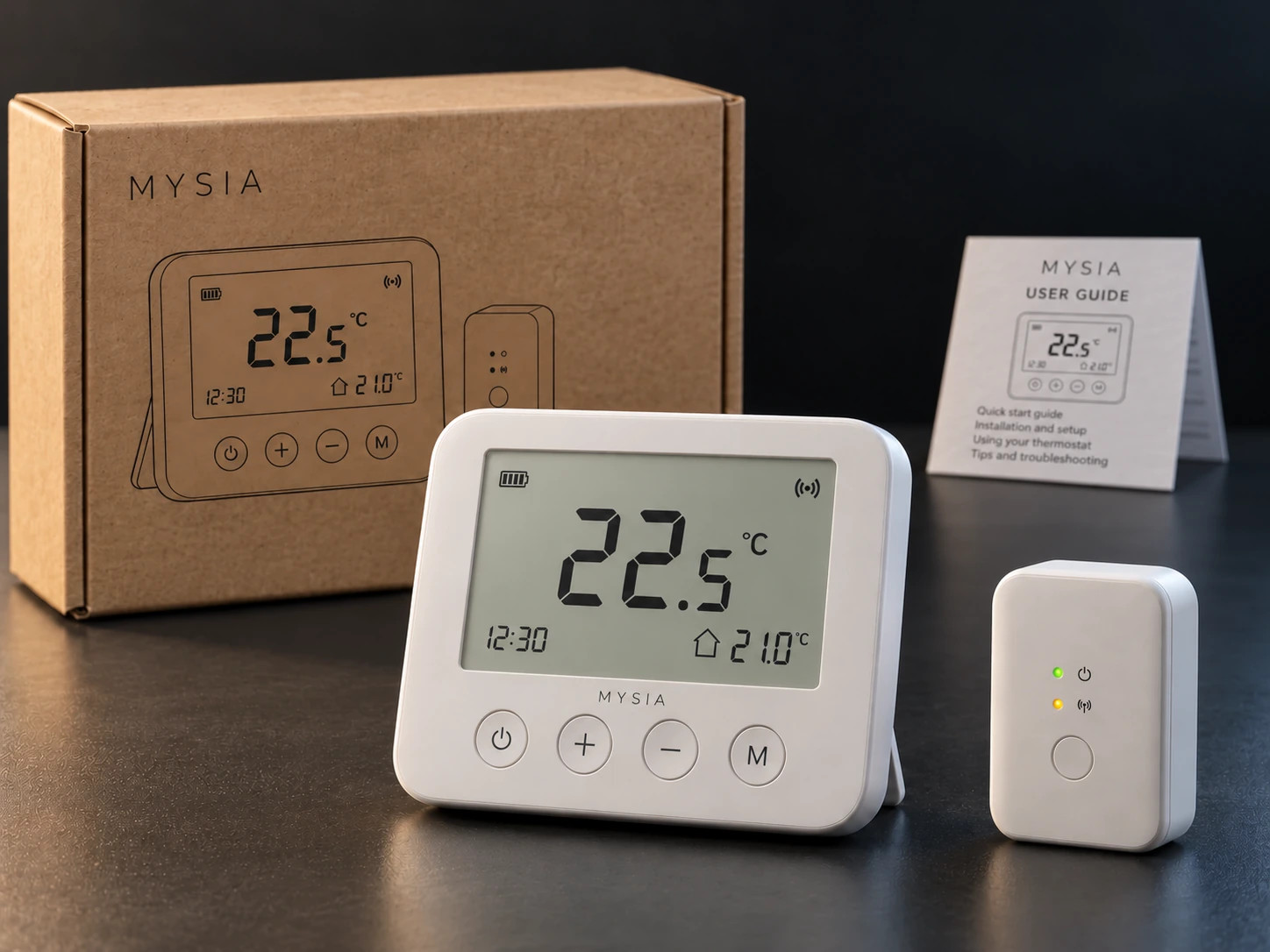
We go beyond the bare circuit board, preparing complete, enclosed devices with working software for shipment.
Getting started together
You don’t need a complete technical file to start a conversation. We can begin by discussing your idea, the problem you want to solve and your project’s current stage.
Helpful information for our first conversation
What will the product do, and what need will it meet?
Do you have an idea, a sketch, a prototype or an existing product?
Have you defined the operating environment, approximate quantity and target date?
Select a question to view the answer.
Can I start with just an idea?
Yes. The first step can be to clarify the need and technical requirements together.
Do I need all six stages?
We can work together at the stage you need.
Can you improve my existing product?
We can review your current design and development needs to define the scope.
How are the timeline and cost determined?
They are defined after reviewing the technical scope, existing work and project goals.
Can we work together on prototype development only?
Yes. Depending on your needs, we can plan a project limited to prototyping and validation.
Can I see a working sample before serial production?
Depending on the project scope, we can prepare prototypes so you can evaluate the design and its core functions.
Can you use my existing technical files and designs?
We can review your existing work to identify which parts can be used and where further development is needed.
Wherever your idea stands,
let’s take the next step together.
Work with us at the stage you need. Not every project has to include every step.